
Flooring and Home Appraisals: How Much Does Flooring Really Affect Your Home’s Value?
When homeowners think about increasing their home’s value, flooring usually isn’t the first thing that comes to mind. Kitchens, bathrooms, and square footage tend to steal the spotlight. But ask anyone who’s walked through homes for a living—buyers, agents, or appraisers—and you’ll hear the same thing: flooring sets the tone before anyone starts looking at details.
The relationship between flooring and home appraisals isn’t always obvious, but it’s very real. Flooring may not add value in the same way an addition does, but it can absolutely influence how a home is perceived, compared, and ultimately valued.
At Cincy Preferred Flooring, we’ve worked with homeowners who were surprised by how much their flooring choice affected both buyer interest and appraisal outcomes.
Appraisals Aren’t Just Numbers on Paper
A home appraisal isn’t a design critique, but it isn’t purely mechanical either. Appraisers look at measurable factors—square footage, layout, condition—but they also compare your home to others in the area. That comparison matters more than many homeowners realize.
If two homes are similar in size and layout, but one feels dated or worn because of the flooring, that difference shows up in the final assessment. Flooring doesn’t need to be luxurious to help—it just needs to feel appropriate, updated, and well cared for.
Condition Often Matters More Than Material
One common misconception is that only high-end flooring improves appraisal value. In reality, the condition tends to matter more than the specific material.
Worn carpet, damaged hardwood, chipped tile, or mismatched flooring from room to room can quietly work against a home’s perceived value. Even if everything else is in good shape, flooring issues stand out because they cover so much visual space.
On the flip side, clean, consistent flooring in good condition—whether it’s hardwood, luxury vinyl, laminate, or tile—helps a home feel move-in ready. That perception matters during appraisals.
Consistency Makes Homes Easier to Compare
Appraisers rely heavily on comparable properties, often called “comps.” Homes that feel cohesive are easier to compare favorably than homes with disjointed finishes. Multiple flooring types that don’t transition well, outdated patterns, or abrupt changes from room to room can make a home feel less intentional. That doesn’t mean everything has to match perfectly, but flooring should feel like part of a plan, not a patchwork of past updates.
Consistency helps appraisers—and buyers—see the home as a whole rather than a collection of separate decisions.
Flooring Signals Maintenance (Or the Lack of It)
Flooring is one of the first things people notice when they walk into a home, even if they don’t consciously realize it. Well-maintained floors suggest that the home has been cared for overall. Damaged or heavily worn flooring raises questions, even if those questions never get spoken out loud.
Appraisers are trained to look for signs of deferred maintenance. Flooring condition often plays a role in that assessment, especially when wear suggests neglect rather than age.
Does Hardwood Always Increase Appraisal Value?
Hardwood flooring has a strong reputation, and for good reason. It’s durable, widely appealing, and considered a long-term finish.
That said, hardwood isn’t automatically the “right” choice in every situation. In some homes, especially those with moisture concerns or heavy traffic, other materials like luxury vinyl plank or tile may actually make more sense. Appraisers care less about labels and more about suitability and condition.
The best flooring choices for home appraisals are the ones that fit the home and the market, not just trends.
Carpet Can Help—or Hurt—Depending on Context
Carpet tends to be more polarizing. In bedrooms, it can still feel appropriate and comfortable. In main living areas, heavily worn or dated carpet can drag down perception quickly. If carpet is in good condition, neutral in color, and appropriate for the space, it usually doesn’t hurt an appraisal. When it’s stained, outdated, or mismatched, it often does. This is one area where strategic updates can make a noticeable difference without a full overhaul.
Flooring Updates vs. Over-Improving
Another mistake homeowners make is assuming that the most expensive flooring option will automatically produce the highest return. Appraisals are grounded in the local market. Installing flooring that far exceeds neighborhood norms doesn’t always translate to higher value. Sometimes it simply narrows the pool of comparable homes.
Smart flooring decisions align with the home’s price range, style, and location. The goal isn’t to outdo the neighborhood—it’s to meet or slightly exceed expectations.
Appraisers Notice Transitions and Flow
Flooring transitions may seem like a small detail, but they matter more than people think. Clean transitions between rooms, consistent heights, and thoughtful material choices all contribute to a sense of quality. Awkward transitions, uneven surfaces, or abrupt material changes can detract from the overall impression.
These details don’t show up as line items on an appraisal report, but they influence how the home is evaluated as a whole.
Flooring’s Role in Buyer Perception Still Matters
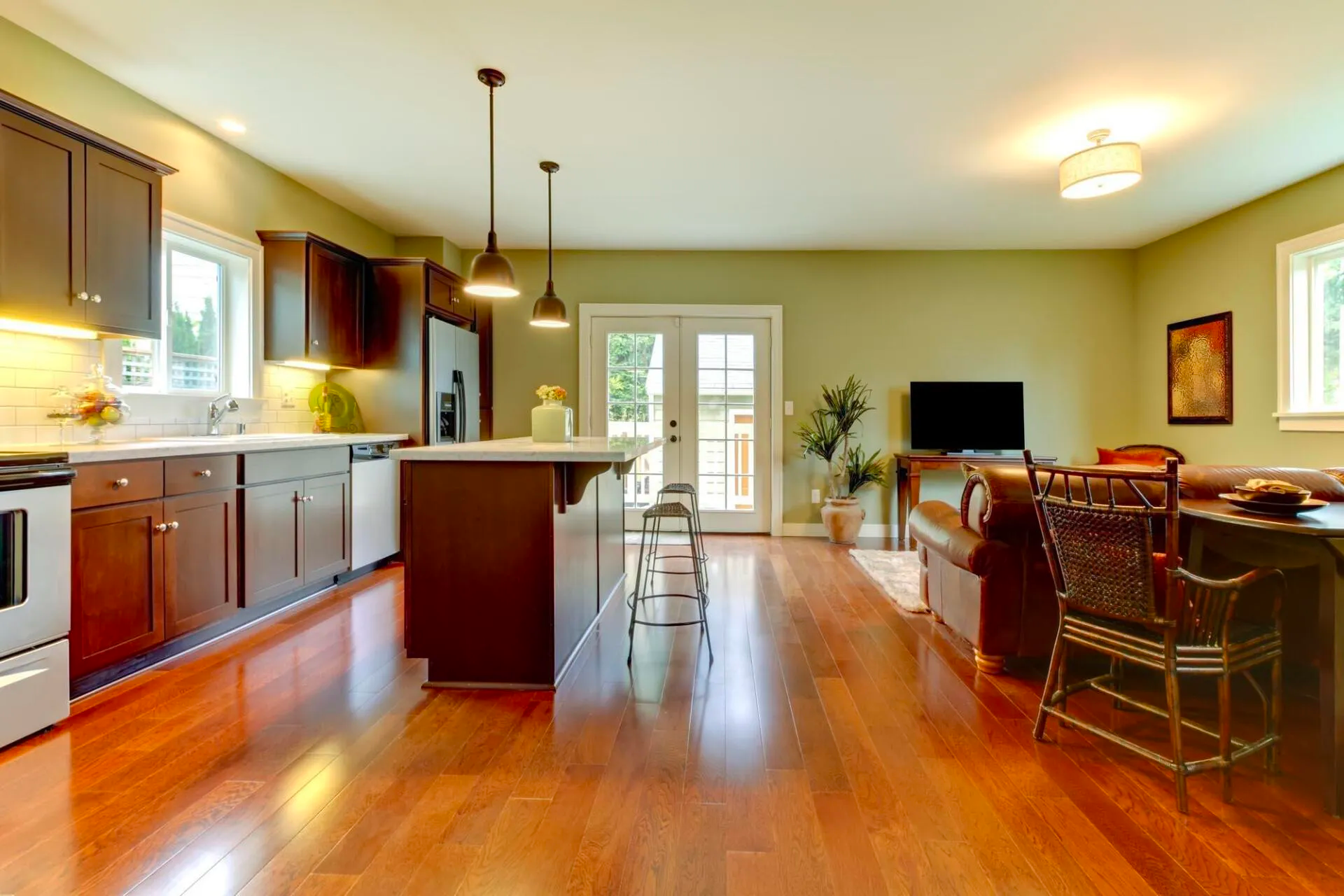
Even though appraisers aim to be objective, they don’t operate in a vacuum. Buyer expectations influence market values, and flooring plays a big role in those expectations. Homes that feel updated and cohesive tend to perform better in the market, which influences comparable sales. Over time, that market performance feeds back into appraisals.
That’s why flooring and home appraisals are more connected than they appear at first glance.
When Flooring Updates Make the Most Sense
Flooring updates tend to have the most impact when:
- Existing floors are clearly worn or damaged
- Materials feel outdated compared to nearby homes
- Transitions and flow disrupt the layout
- The home is being prepared for sale or refinance
In these cases, replacing or upgrading flooring can improve how the home compares within its market, which directly affects appraisal outcomes.
Getting Guidance Prevents Costly Missteps
Not every flooring update adds value, and not every home needs a full replacement to improve appraisal results. Having experienced input helps homeowners focus on changes that make sense for their goals, whether that’s selling, refinancing, or simply protecting long-term value.
At Cincy Preferred Flooring, we help homeowners think through flooring decisions with both livability and resale in mind—so upgrades support value instead of creating regret.
Flooring Is Part of the Bigger Picture
Flooring alone won’t double a home’s value, but it plays a meaningful role in how a home is perceived, compared, and evaluated. When flooring feels appropriate, well-maintained, and cohesive, it supports stronger appraisals. When it feels neglected or mismatched, it can quietly work against them. If you’re thinking about flooring and home appraisals and want to understand what changes actually make sense for your home, we’re happy to help.
Contact us today to discuss flooring options that support both your home’s style and its long-term value.